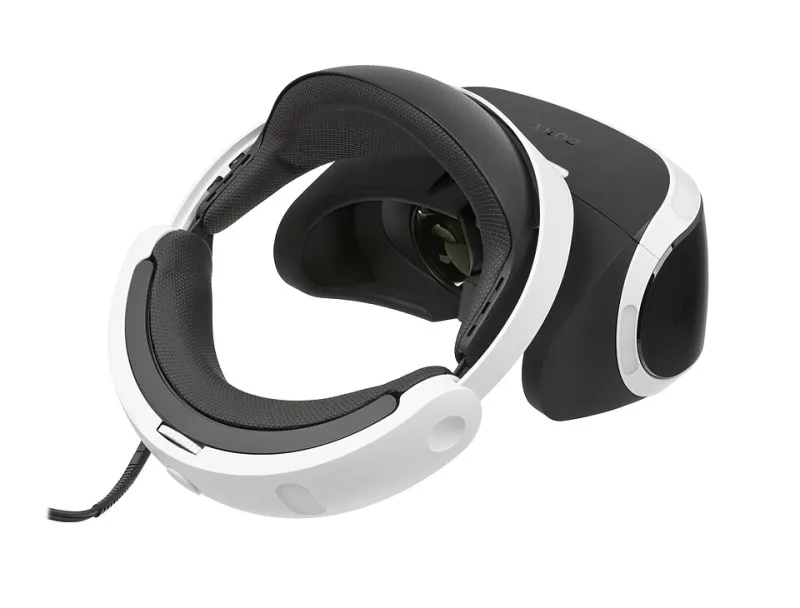
Immersive Design Solutions Crafting the Future of Digital Experience

Immersive Design Solutions

Crafting the Future of Digital Experience

Latest Articles

The Watt Behind the Wonder: Building a Defensible Carbon Account for Immersive Work
Sustainability

The Watt Behind the Wonder: Building a Defensible Carbon Account for Immersive Work

Enterprise procurement teams have begun attaching environmental questionnaires to immersive statements of work. Real-time 3D, cloud rendering, and headset hardware all carry measurable footprints—here is a practical method for counting them and reducing them without degrading presence.

Signal, Not Stunt: A Practical Framework for Scent in Immersive Environments
Design Strategy

Signal, Not Stunt: A Practical Framework for Scent in Immersive Environments

Smell remains the last unclaimed channel in most immersive builds—and the one most likely to go wrong. This piece maps the available diffusion hardware, the regulatory patchwork US operators actually face, and a pilot structure that keeps olfactory design from becoming a novelty candle in the lobby.

Waiting Is the Experience: Throughput, Patience, and the Real Math of Immersive Venues
Industry Analysis

Waiting Is the Experience: Throughput, Patience, and the Real Math of Immersive Venues

Location-based immersive venues live or die on a number most operators never put on a slide: how many guests per hour the experience can actually process. A look at queue psychology, pre-show pacing, and perceived fairness—and why the wait is a design problem, not an operations problem.

The Vendor Vetting Ledger: Seven Questions That Separate Real Immersive Studios From Expensive Demos
Design Strategy

The Vendor Vetting Ledger: Seven Questions That Separate Real Immersive Studios From Expensive Demos

Hiring an immersive studio is a six-figure decision often made on the strength of a single polished reel. This buyer's guide arms marketing and innovation leads with the questions, pricing benchmarks, and contract language that turn a murky RFP into a defensible choice.

Boom, Bust, Reboot: The Sisyphean Economics of America's Location-Based VR Business
Industry Analysis

Boom, Bust, Reboot: The Sisyphean Economics of America's Location-Based VR Business

Location-based entertainment has cycled through hype and collapse more than once, yet the venues that survive share a strikingly consistent playbook. We break down the unit economics, foot-traffic realities, and licensing structures separating the survivors from the shuttered.

Stop Hiring Artists, Start Hiring Architects: The Case for Spatial Thinking in Immersive Design
Design Strategy

Stop Hiring Artists, Start Hiring Architects: The Case for Spatial Thinking in Immersive Design

The most compelling virtual environments are not triumphs of rendering but of spatial logic — sightlines, ceiling heights, and crowd flow borrowed straight from architecture and environmental psychology. It is time agencies staffed accordingly.

Vacation in Fifteen Minutes: The Economics and Psychology of Museum-Based Virtual Travel
Industry Analysis

Vacation in Fifteen Minutes: The Economics and Psychology of Museum-Based Virtual Travel

Ticketed VR 'vacations' are spreading through American museums, airports, and malls. We look at the business model, what visitors actually take away, and whether simulated travel competes with — or feeds — the real thing.

Anatomy of a Pitch: Five Immersive Concepts, Four Cautionary Tales
Industry Analysis

Anatomy of a Pitch: Five Immersive Concepts, Four Cautionary Tales

We sat through five immersive experience pitches in recent months. Four lost the room. A candid, anonymized dissection of where each one went wrong — and what the survivor did differently.

The Store That Knows You're There: Inside the Rise of Adaptive Retail Environments
Design Strategy

The Store That Knows You're There: Inside the Rise of Adaptive Retail Environments

Physical retail is acquiring a persistent digital layer — one that reshapes itself around each shopper who walks through the door. We examine the technology, the design discipline, and the privacy questions behind storefronts that personalize in real time.

The Mismatch That Kills Deals: When Studio Sprints Meet Enterprise Timelines
Design Strategy

The Mismatch That Kills Deals: When Studio Sprints Meet Enterprise Timelines

Rapid immersive prototypes win pitches — and then quietly lose the accounts that follow. We examine why sprint-based demo culture collides with enterprise procurement, and propose a pacing-aware approach to pitching immersive work.

Every Millisecond Has a Price: The Performance Economics of 3D on the Web
Design Strategy

Every Millisecond Has a Price: The Performance Economics of 3D on the Web

Immersive web experiences live or die in the first two seconds. We break down the hidden costs of heavy WebGL scenes, what brands have lost to slow load times, and the optimization practices that keep 3D experiences fast enough to convert.

Designing for Every Body: Closing the Accessibility Gap in Immersive Experiences
Design Strategy

Designing for Every Body: Closing the Accessibility Gap in Immersive Experiences

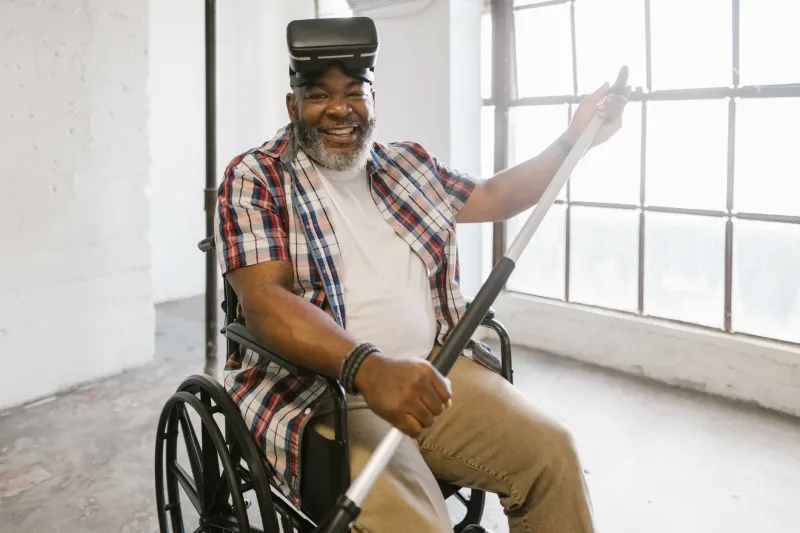
Immersive technology promises presence for everyone, yet most VR and AR experiences remain unusable for millions of Americans with disabilities. This article examines why accessibility is treated as an afterthought and offers a practical framework for building inclusive immersive design from the ground up.

Where Great Immersive Work Goes to Die: Inside the Handoff Gap Between Studio and Codebase
Design Strategy

Where Great Immersive Work Goes to Die: Inside the Handoff Gap Between Studio and Codebase

The most dangerous moment in any immersive project isn't the pitch or the prototype — it's the handoff. This piece examines why agency-built VR and AR experiences degrade in production, and why design studios must accept responsibility for what happens after the demo ends.

Before the First Demo: Unpacking the Real Price Tag of a 50-Seat Enterprise VR Rollout
Industry Analysis

Before the First Demo: Unpacking the Real Price Tag of a 50-Seat Enterprise VR Rollout

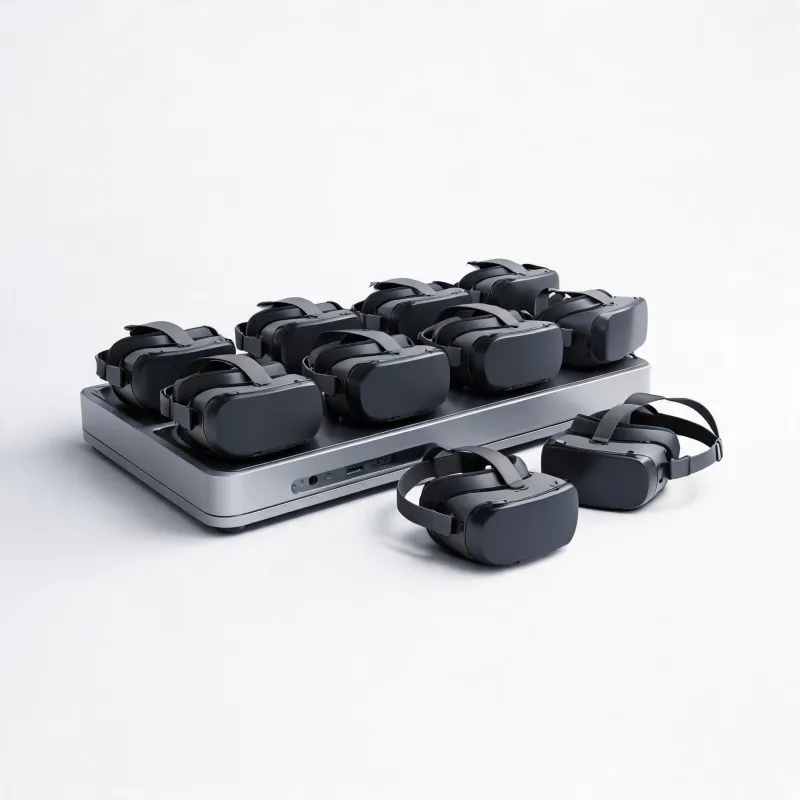
Hardware sticker prices are only the opening bid. From sanitation protocols to MDM licensing, the true cost of keeping 50 headsets in circulation routinely doubles what procurement approved — and it stalls immersive programs before ROI is ever discussed.

The Broken Kiosk in Broken Arrow: Lessons from a Small-Town Robot That Ended Up in Court
Design Strategy

The Broken Kiosk in Broken Arrow: Lessons from a Small-Town Robot That Ended Up in Court

A $60,000 interactive retail installation in an Oklahoma shopping center became a cautionary tale — and eventually a lawsuit — not because the technology failed, but because the design assumptions did. This piece examines what happens when immersive experiences built for coastal audiences land in Middle America, and offers a practical playbook for closing the gap.

Permission to Pull the Plug: A 90-Day Framework for Immersive Experiments That Refuse to Die
Design Strategy

Permission to Pull the Plug: A 90-Day Framework for Immersive Experiments That Refuse to Die

Immersive pilots rarely fail loudly — they linger, consuming budget and goodwill long after the business case has collapsed. This piece proposes a disciplined 90-day framework with pre-committed kill criteria, so teams can redirect spend toward concepts that actually earn their keep.

When the Room Breathes: The Case for Restraint in Immersive Design
Design Strategy

When the Room Breathes: The Case for Restraint in Immersive Design

In the rush to fill every cubic foot of virtual space with motion, sound, and interaction, designers are discovering that the most memorable immersive experiences are often defined by what they leave out. This editorial argues that deliberate restraint — pauses, negative space, and quiet — is becoming the defining skill of spatial design.

Autopsy of a Ghost Town: Where the Money Goes When Virtual Showrooms Die
Industry Analysis

Autopsy of a Ghost Town: Where the Money Goes When Virtual Showrooms Die

Brands spent eight figures building virtual flagship stores — and most now stand digitally deserted. We trace where the budgets actually went, why traffic collapsed after launch week, and what the survivors did differently.

Too Real to Trust: The Psychology Behind High-Fidelity 3D Visuals That Quietly Kill Conversions
Design Strategy

Too Real to Trust: The Psychology Behind High-Fidelity 3D Visuals That Quietly Kill Conversions

Photorealistic 3D product rendering was supposed to be the gold standard of immersive e-commerce — a frictionless bridge between digital browsing and physical ownership. Yet a growing body of research and real-world data suggests that hyper-fidelity can paradoxically erode consumer trust, triggering skepticism rather than confidence. Understanding why requires a closer look at how the human brain evaluates authenticity under conditions of near-perfect simulation.

Designed for the Lab, Broken in the Wild: How Context Blindness Is Undermining Immersive Experiences
Design Strategy

Designed for the Lab, Broken in the Wild: How Context Blindness Is Undermining Immersive Experiences

Technically flawless immersive experiences routinely collapse the moment they leave controlled environments and meet real consumers in unpredictable, messy settings. The culprit is rarely the technology itself—it is a fundamental failure to account for the contexts in which people actually live, move, and make decisions. This piece examines the frameworks and case studies that separate immersive experiences that endure from those that impress only in the demo room.