Vacation in Fifteen Minutes: The Economics and Psychology of Museum-Based Virtual Travel
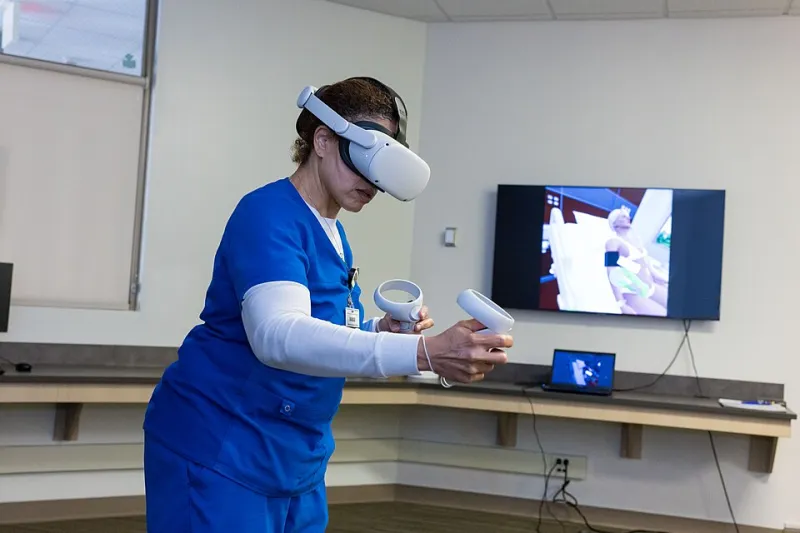
Photo: waketechcc, CC0, via Wikimedia Commons
The Ticket Booth to Everywhere
In a converted gallery space in a Midwest science museum, a visitor straps on a headset and spends twelve minutes walking the rim of Machu Picchu at sunrise. The ticket cost $14. The flight to Peru would have cost $700 and eleven hours. This transaction — compressed, ticketed, and increasingly common — is the fastest-growing experiential category in American cultural venues.
Virtual travel installations have moved from novelty to lineup. Airports are piloting them in terminals. Shopping centers are carving out suites between anchor stores. Museums, hungry for attendance drivers that don't require new acquisitions, have become the primary hosts.
The Business Model Under the Headset
The economics are more durable than skeptics assume. Most venues license content from specialist studios rather than producing in-house, paying an upfront fee plus per-ticket revenue share. A single well-made experience — shot volumetrically or built in-engine — amortizes across dozens of venues. For the host institution, the margin structure resembles a planetarium show: high fixed cost, low variable cost, strong ancillary spend at the gift shop on the way out.
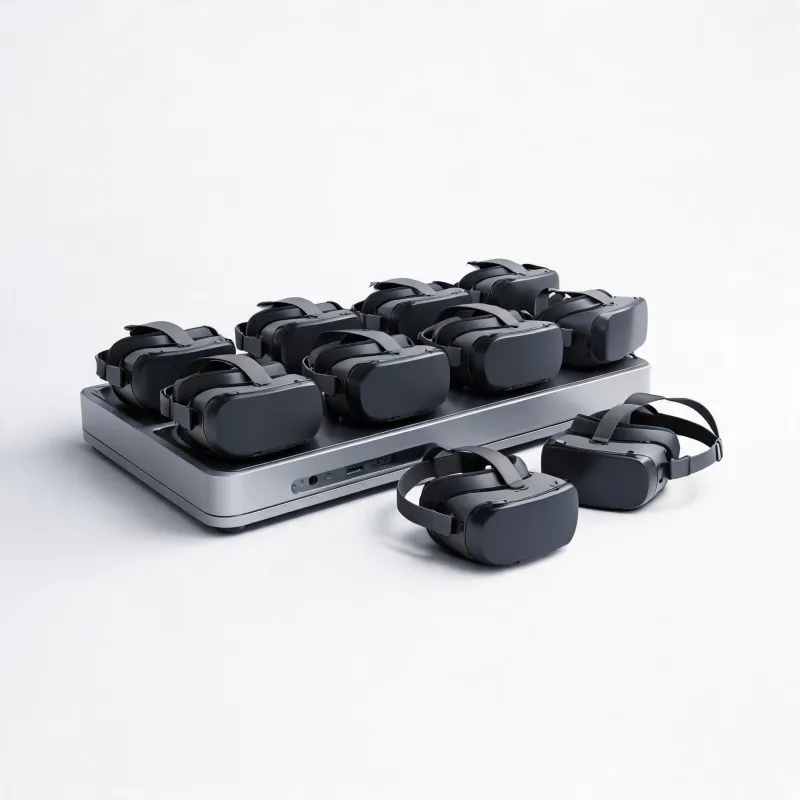
The constraint is throughput. A four-seat pod running a fifteen-minute experience can serve perhaps a hundred paying visitors a day. That ceiling shapes everything: venues favor short runtimes, premium pricing, and heavy weekend scheduling. It's less a theme park than a very small, very expensive cinema.
What Visitors Actually Feel
Exit interviews and post-experience surveys reveal a consistent pattern. First-time headset users report genuine awe — the sensation of presence in a distant place is real and reliably delivered by modern hardware. But the emotional residue is thinner than the moment. Visitors describe the experience as vivid, moving, and — notably — incomplete. Many say the simulation made them want to visit the real location, not instead of it.
This is the crucial finding: virtual travel appears to function as a preview and a prompt, not a substitute. Museums that lean into this — pairing VR content with travel literature, photography exhibitions, and partner promotions — report the strongest satisfaction scores.
Complement or Cannibalize?
The tourism industry's early anxiety — that a $14 simulation would cannibalize a $700 trip — has largely not materialized. The sensory gap remains wide: no headset reproduces heat, smell, fatigue, or the social friction of being a stranger somewhere. What virtual travel delivers is access for those for whom the real journey is out of reach — for reasons of cost, health, time, or mobility. That audience is enormous and, until recently, unserved.
The more honest tension is internal to the venues themselves. Every square foot given to a VR pod is a square foot not showing the collection. Curators have raised quiet objections: are museums cultural institutions or entertainment landlords? The institutions navigating this well frame virtual travel as an on-ramp — a doorway that brings in visitors who then encounter the rest of the building.
The Design Frontier
For the immersive design community, virtual travel is a masterclass in constraints. Fifteen minutes. Four seats. One narrative arc. The experiences that succeed are ruthlessly edited — a single location, a single time of day, a single emotional register. There is no room for filler, and audiences can feel the difference between a journey and a screensaver.
The next wave will likely add social presence — shared virtual trips for families and friend groups — and haptic touches that deepen the sensory record. But the core lesson is already fixed: simulation doesn't replace the world. It teaches people to want it more.