Boom, Bust, Reboot: The Sisyphean Economics of America's Location-Based VR Business
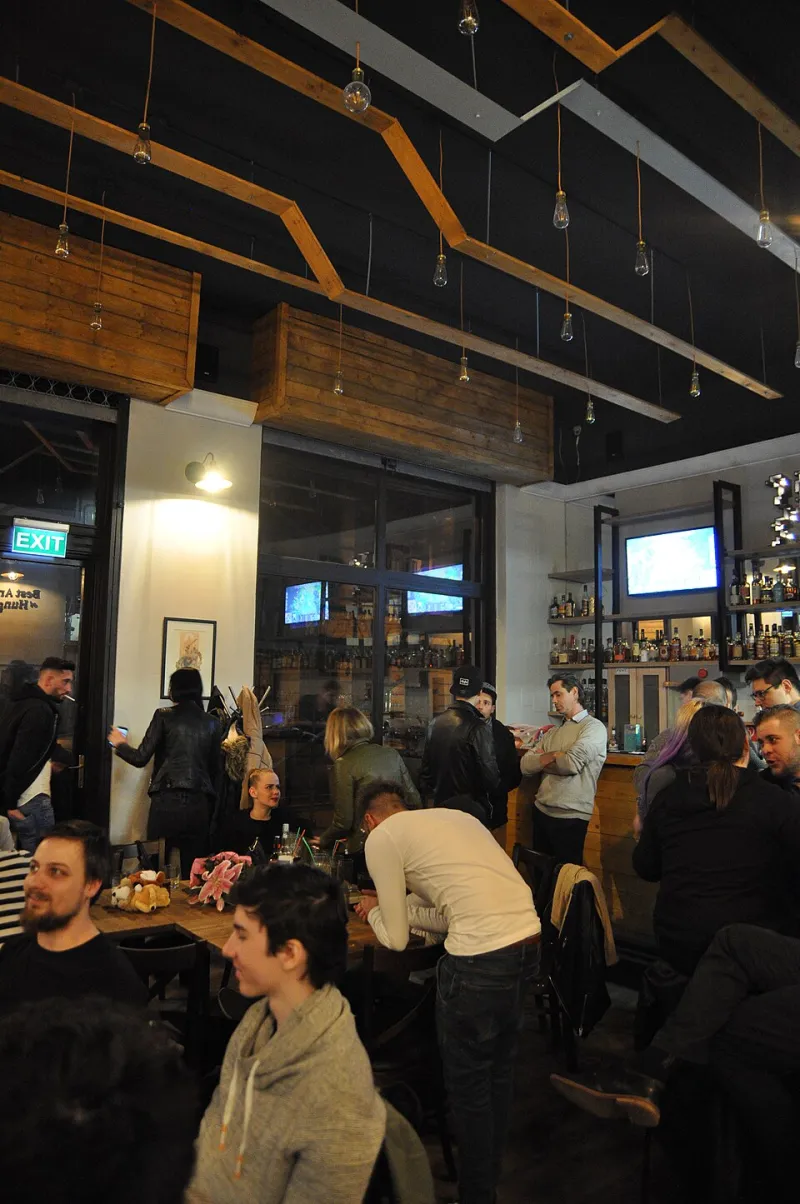
Photo: Christo, CC BY-SA 4.0, via Wikimedia Commons
Drive past enough suburban shopping centers and you will eventually spot one: a darkened storefront, a faded decal of a headset-wearing family, and a hand-lettered sign advertising birthday packages. The American location-based VR industry has spent a decade building these rooms and then quietly locking their doors. Understanding why requires looking past the hardware and into the spreadsheet.
A Decade of the Same Mistake
The pattern is well documented by now. Between 2016 and 2019, venture-backed chains signed aggressive mall leases, installed premium headsets, and projected attendance figures that assumed novelty alone would drive repeat visits. When the novelty faded — usually within eight to fourteen months in any given trade area — revenue fell off a cliff while fixed costs remained immovable.
The pandemic then delivered a brutal cull. What followed was a quieter, stranger second wave: standalone immersive venues, many in secondary markets, opening with better content, better throughput, and — critically — better math. The industry did not learn one lesson from the first collapse. It learned several, and the survivors applied all of them.
The Four Numbers That Decide Everything
Talk to operators who have made it past year three and the conversation converges on four metrics.
Revenue per square foot per hour. A free-roam arena that seats eight players and turns over every forty-five minutes can out-earn a bay of six single-player stations, despite costing more to build. Density of experience beats quantity of stations.
Repeat visitation rate. Novelty tourism fills a venue once. Operators in markets like Dallas-Fort Worth and suburban Phoenix report that sustainable venues see 35 to 50 percent of revenue from returning customers — birthday parties, corporate outings, league-style competitive play. If your content library cannot support a second visit, your business model is a countdown clock.
Content licensing as a percentage of revenue. Branded titles from major studios can command minimum guarantees plus revenue shares that consume 20 to 30 percent of gross. Independent content or hybrid licensing arrangements often cut that figure dramatically. The venues that died most quickly were frequently the ones most aggressively marketed — because the marketing budget and the licensing burden came from the same place.
Lease structure. Mall landlords learned nothing and everything at the same time: base rents have softened in weak centers, but percentage-rent clauses and strict co-tenancy terms can still turn a marginal venue into a losing one overnight. Standalone buildings near entertainment corridors — movie theaters, bowling centers, escape rooms — consistently outperform interior mall pads on both foot traffic quality and operating control.
Why Malls Keep Failing This Category
Mall traffic itself is not the problem; intent is. A shopper passing a VR storefront is on a mission, not an adventure. Conversion from ambient foot traffic rarely exceeds 2 to 3 percent, which forces venues to function as destination businesses regardless of location. Paying destination-business rents for impulse-purchase real estate is the central contradiction of the mall VR model, and no amount of LED signage resolves it.
The Playbook for Brands
For brands weighing an entry into physical immersive spaces — a pop-up, a branded venue, a retail-entertainment hybrid — the operating lessons translate directly.
First, design for the fifth visit, not the first. Launch content gets headlines; rotation content gets renewals. Budget a content refresh cadence of at least quarterly and treat it as a fixed operating cost, not a discretionary upgrade.
Second, price the experience against competing entertainment dollars, not against other technology. In most US markets, the comparison set is a $60 dinner and a movie, not a home console. Venues that price at $15 a head compete with a phone; venues that price at $40 a head compete with a night out.
Third, structure partnerships so incentives align. If a content partner demands a heavy minimum guarantee, demand exclusivity within your trade area in return. If a landlord wants percentage rent, negotiate tenant improvement allowances that fund the buildout — immersive fit-outs routinely run $150 to $400 per square foot, and someone other than the operator should absorb a meaningful share.
The Quiet Consolidation Ahead
The next eighteen months will likely see further consolidation, with well-capitalized operators acquiring distressed leases and equipment at steep discounts. That is not a sign of a dying category. It is a sign of a maturing one — the same shakeout that separated durable bowling and escape-room businesses from their imitators. The bet is not a bad bet. It is simply the same bet, made correctly this time, by the people who finally read the whole contract.